James Tate “The challenge is always to find the ultimate in the ordinary horseshit.”

James Tate died on Wednesday. He wrote a poem called “South End” that begins: “The challenge is always to find the ultimate in the ordinary horseshit.”

Charles Simic interviewed Tate in the Paris Review. Simic asks, “There is such a strong belief that tragedy is a higher form, that comedy is a low, temporary distraction, and that great literature must be solemn. What is the subversive quality in humor that everyone is worried about?” Tate said:

Most people don’t have a sense of humor in the first place. So if they find themselves laughing at the end of an experience, they are almost distrustful of themselves—like, what happened to me? Today, for instance, on the tragedy side we could easily be talking about the hideous effect of Hurricane Katrina on New Orleans and the Gulf Coast, or we could be talking about the Iraq war. But we can go out tonight and hear a great jazz band. We could spend a night with friends, laughing and drinking and toasting and saying how wonderful life is. Simultaneously, we all know that we’re enshrouded in tragedy, lies, and all kinds of evil. Torture, for God’s sake! And heaps of evil beyond what we can contemplate, and yet life is wonderful for those of us who haven’t been directly affected. So we walk around balancing the two all the time. I, for one, am not giving in. I am not going to walk around in tears all day long. I still want to have a good day if I can.

In my poems, I try—God knows, probably unsuccessfully—to bring that home. There’s a poem in my last book, “A Clean Hit,” where suddenly a bomb falls out of the sky and blows up this person’s house. And all of the neighbors come running down and they’re saying, “What the hell happened?” The guy whose house got bombed says, “Well, I voted for this president. They shouldn’t be targeting me.” They’re all trying to figure out what they did and what they didn’t do that could have caused this bomb to drop. Some of them think it’s a mistake. They say, “It happens all the time. Those reports pass through so many hands, by the time they reach the top somebody has gotten the address wrong.” So you can still have fun with the horror.

I was at a reading at U Mass-Amherst while on tour with Wave Books’ Poetry Bus when I heard Tate read “How the Pope is Chosen,” which permanently altered my brain.

How the Pope is Chosen

James Tate

Any poodle under ten inches high is a toy.
Almost always a toy is an imitation
of something grown-ups use.
Popes with unclipped hair are called “corded popes.”
If a Pope’s hair is allowed to grow unchecked,
it becomes extremely long and twists
into long strands that look like ropes.
When it is shorter it is tightly curled.
Popes are very intelligent.
There are three different sizes.
The largest are called standard Popes.
The medium-sized ones are called miniature Popes.
I could go on like this, I could say:
“He is a squarely built Pope, neat,
well-proportioned, with an alert stance
and an expression of bright curiosity,”
but I won’t. After a poodle dies
all the cardinals flock to the nearest 7-Eleven.
They drink Slurpies until one of them throws up
and then he’s the new Pope.
He is then fully armed and rides through the wilderness alone,
day and night in all kinds of weather.
The new Pope chooses the name he will use as Pope,
like “Wild Bill” or “Buffalo Bill.”
He wears red shoes with a cross embroidered on the front.
Most Popes are called “Babe” because
growing up to become a Pope is a lot of fun.
All the time their bodies are becoming bigger and stranger,
but sometimes things happen to make them unhappy.
They have to go to the bathroom by themselves,
and they spend almost all of their time sleeping.
Parents seem incapable of helping their little popes grow up.
Fathers tell them over and over again not to lean out of windows,
but the sky is full of them.
It looks as if they are just taking it easy,
but they are learning something else.
What, we don’t know, because we are not like them.
We can’t even dress like them.
We are like red bugs or mites compared to them.
We think we are having a good time cutting cartoons out of the paper,
but really we are eating crumbs out of their hands.
We are tiny germs that cannot be seen under microscopes.
When a Pope is ready to come into the world,
we try to sing a song, but the words do not fit the music too well.
Some of the full-bodied popes are a million times bigger than us.
They open their mouths at regular intervals.
They are continually grinding up pieces of the cross
and spitting them out. Black flies cling to their lips.
Once they are elected they are given a bowl of cream
and a puppy clip. Eyebrows are a protection
when the Pope must plunge through dense underbrush
in search of a sheep.
Christian Charm Workbook on Vashon Island

I’ll be reading an illustrated essay from Christian Charm Workbook my work-in-progress memoir, with local literary luminaries Merna Ann Hecht, Janie Elizabeth Miller, and Liz Shepherd, and special musical guests Kat Eggleston, Charles Reed, and Michael Whitmore this Friday, May 29 at 7:00 PM at the Hastings-Cone Gallery, adjacent to Snapdragon Bakery & Cafe at 17817 Vashon Highway, Vashon Island, WA.

This multi-media project was supported, in part, by an award from 4Culture and the Seattle Office of Arts & Culture. It is free and open to the public.

Read about it in The Vashon Loop and The Vashon Beachcomber.

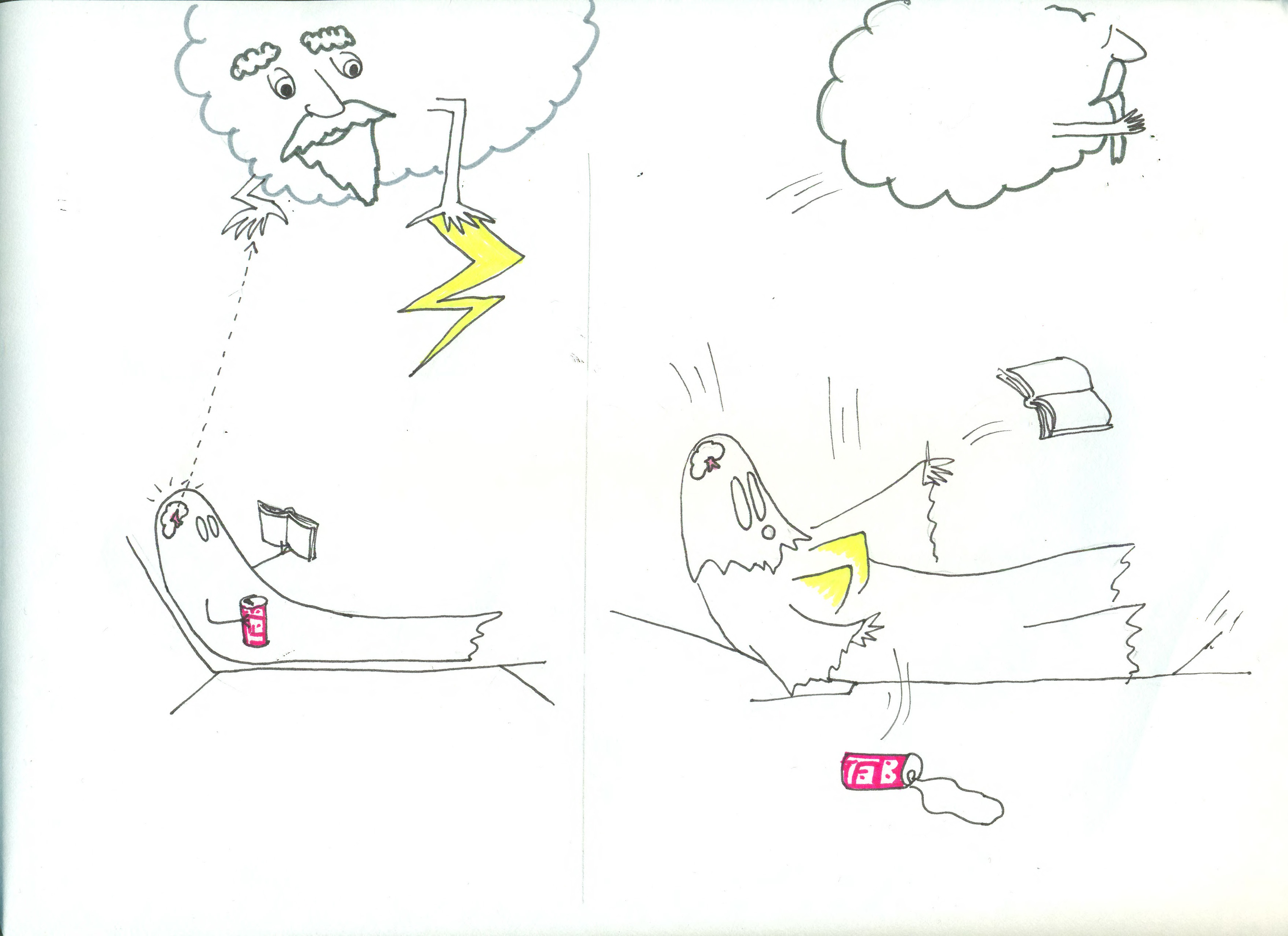
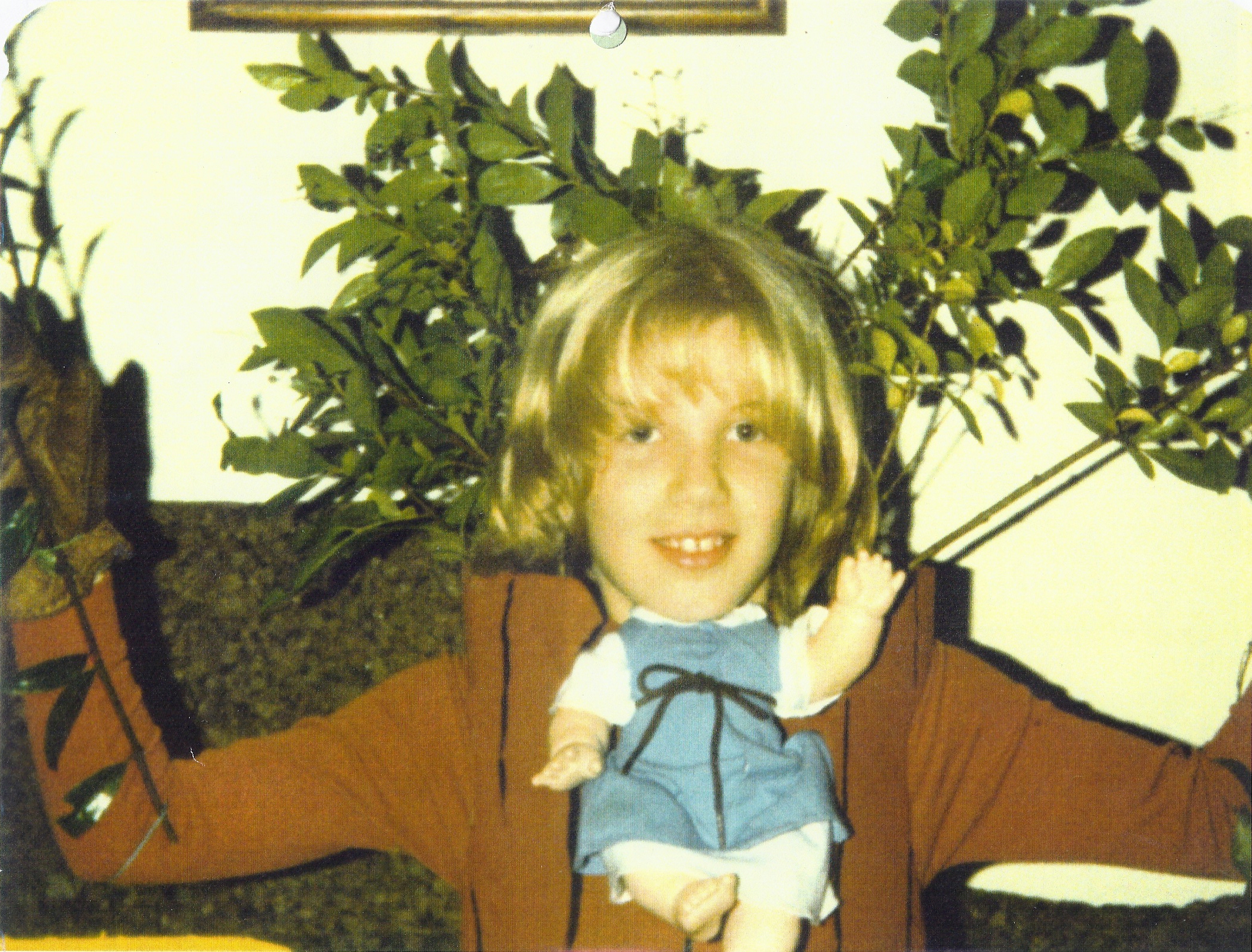
Zacheous In the Tree

(Zacchaeus In the Tree Halloween Costume, 1980)

From the press release:

In the vein of Tina Fey’s Bossypants and Caitlin Moran’s How to Be a Woman, Christian Charm Workbook chronicles Rachel Kessler’s experience being raised by Jesus People in 1970s Seattle. From speaking in tongues to discovering riot grrl punk rock feminism to unionizing day care workers, she searches for the communal high, while battling the patriarchy and her own demons. Poet Sierra Nelson describes it as “Boyhood meets Girls with Judy Blume as fairy godmother, plus ecstatic dancing and speaking in tongues.” It is a personal account of adolescent brain science and spirituality: Kessler examines the intersection of religion and puberty, and the way this heightened state of being shapes our perception, drawing on new findings in neuroscience about the teenage brain and old stories of saints and other spiritual seekers who began having visions around the onset of puberty. This book is a meditation on failure, and ultimately, mercy.

BIOS:

Rachel Kessler has been writing and presenting literary performance art based in Seattle and King County for over 17 years. For the first time in her career she is writing about growing up in Seattle and its suburbs. Her family came to the northwest as Klondikers and were active members of the Jewish community in Seattle’s central district. Activists and self-described hippies, her parents converted to their own unique brand of Pentecostal Christianity known as Jesus People, cultural radicals who were deeply involved in local 1960s and ‘70s folk and rock music scene. Raising her own kids in low income housing 5 blocks from the hospital she was born in, Kessler founded literary performance art collaborations Typing Explosion and Vis-à-Vis Society, hell-bent on actively engaging audiences in the act of creating poetry.

Her work has appeared in USA Today, Narrative Magazine, The Stranger, Tin House, Alaska Quarterly Review, Poetry Northwest, The Open Daybook, Henry Art Gallery, Frye Art Museum, and elsewhere. She has worked as a food critic, houseboy, teacher in homeless shelters and juvenile detention, revolutionary poet-secretary performance artist, and fake scientist. Christian Charm Workbook was recently awarded a Seattle Office of Arts & Cultural Affairs CityArtist award and a King County 4Culture grant. A 2008-2014 Writer-in Residence at Seattle Arts & Lectures, Kessler is also a Whiteley Scholar, and served as artist faculty at Centrum, University of Washington Friday Harbor Laboratories fellow, and guest lecturer at the UW Rome Center.

Merna Ann Hecht, a long time Vashon resident, founded and co-directs the Stories of Arrival Refugee and Immigrant Youth Voices Poetry Project at Foster High School in Tukwila. She also teaches creative writing and humanities at the University of WA, Tacoma. As a poet, essayist, teaching artist and storyteller, the focus of her work and writing is on the meeting place between art and social justice.


Janie Elizabeth Miller is a poet & essayist living on a small organic farm on Vashon Island, WA. She won the Grand Prize for the Eco Arts Awards in 2014 & was a finalist for terrain.org’s 2013 poetry contest. Janie directs poetry studies at the University of Washington in Tacoma & teaches at Richard Hugo House. Her work explores the environmental imagination, the artist as activist & ways to use naturalism (the senses & spirit!) to access greater worldhood. Her work can be found at Poecology, terrain.org, CURA, Cimarron Review, Columbia Poetry Review, Written River: A Journal of Eco-Poetics, Five Fingers Review. She has a chapbook forthcoming from alice blue books.

Vashon resident Liz Shepherd is a Seattle arts administrator, country music deejay for Voice of Vashon and the creator of an imaginary one-woman show called ‘Scarred for Life,’ about her adventures in a 20-year career as the director of two international children’s film festivals.

Paul Constant on LitHub “Denise Levertov Should Be More Famous: How Do You Immortalize a WIllfully Uncategorizable Poet?”

“And I walked naked

from the beginning

breathing in

my life,

breathing out

poems,

arrogant in innocence.”

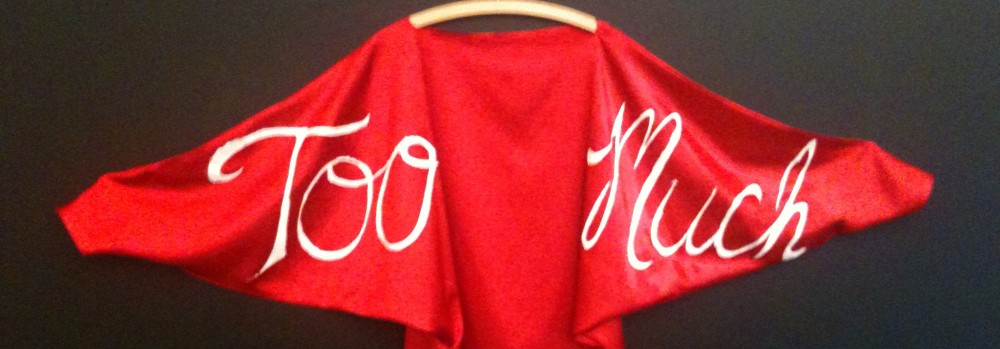
            –from “A Cloak

Read this piece by Paul Constant NOW.

Constant compares Levertov’s poem “Zest” to death metal, which fills me with such joy. He writes, “with her precision and her enthusiasm, she’s drawing you close with her confessions and as you lean in to hear those whispered truths, you realize that she’s gently turning your body until you’re both staring in the same direction.”

Levertov’s “confessional” poetry also engaged with the political and moral landscape. “Levertov argued with Duncan and with anyone who claimed that poets should not be giving speeches at protests; her outrage was an inextricable part of her humanity, so why should she deny it?”

David Roderick’s “American Imports: The Return of the Civic Poet”

“…the poet’s role in any culture includes documenting collective experiences and revealing to fellow citizens what is invisible.”

I came across this essay in Southern Humanities Review. It introduced me to the work of Sarah Gambino, who writes on the Poetry Society of America’s website:

“For American poetry – any poetry – to remain vital/relevant, poets and the structures that support poetry must work diligently and arduously to make sure to listen to the changing voices of the world they hope to minister to. To listen and then to act.

Roderick writes that Ilya Kaminsky’s “willingness to implicate himself in the triumphs and flaws of our country’s project make him a great civic poet.”

WE LIVED HAPPILY DURING THE WAR

by Ilya Kaminsky


And when they bombed other people’s houses, we

protested
but not enough, we opposed them but not

enough. I was
in my bed, around my bed America

was falling: invisible house by invisible house by invisible house.

I took a chair outside and watched the sun.

In the sixth month
of a disastrous reign in the house of money

in the street of money in the city of money in the country of money,
our great country of money, we (forgive us)

lived happily during the war.

Video Poems

I’m teaching a class on video poems with the fantastic organization Path With Art right now, so I thought I should post a few of the video poems I’ve made with my collaborator, Sierra Nelson, as part of our literary performance art group Vis-a-Vis Society. (Click on the highlighted links to be transported to my vimeo videos!)

Our most recent heavy metal palindrome one-shot piece: “O, GO” which was part of an installation at the starting line of NEPO House‘s 5K “Don’t Run” artwalk last summer. Brilliantly shot by Genius Award Winning cinematographer Ben Kasulke.

An instructional video on the theme of “It’s All Downhill From Here” as part of NEPO 5k 2012, “DOWNHILL“.

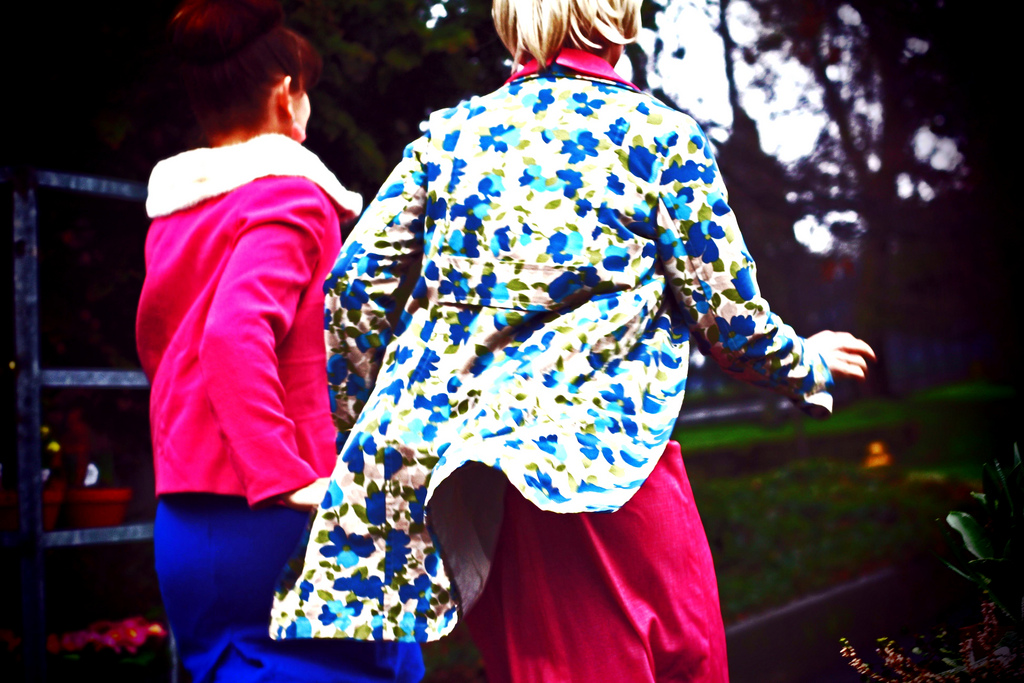
“Coats” was shot on Super 8 one snowy afternoon in 2006, and recently appeared in Velocity’s Next Dance Cinema‘s 2014 program at the Northwest Film Forum. It began as a multiple choice poem about favorite coats.

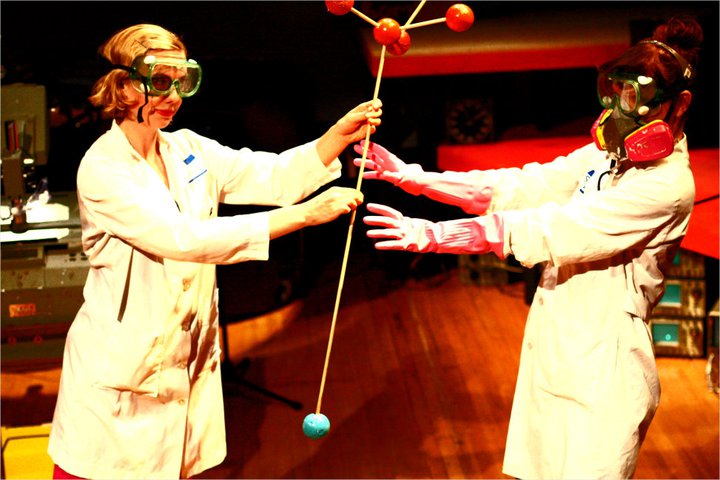
VisaVisSociety_moleculehandlingVis-a-Vis Society - Michael Doucett Photography 5422122857_6cbeb2a720_b(2)

If a Handful of Matches Is Thrown to the Floor

I’m thrilled to be a part of this conversation with Sierra Nelson at The Project Room on Monday, April 27, 7:00 PM.

If a Handful of Matches is Thrown to the Floor:

Exploring the parallels between the scientific method and divination with Artist Sierra Nelson.

MondAY, April 27, 7-8pm at The Project Room

Performance Artist and Poet Sierra Nelson invites us into a conversation questioning the roles divination, science, and artistic practice play in our understanding of the past and choices for the future.  She’ll be joined by her longtime collaborator Rachel Kessler to bookend the conversation with some live experiments.

VisaVisSociety_moleculehandling

Announcing the WITS ‘Wild’ Contest Winners!

So PROUD of my student Lily Williams at Washington Middle School – opening for Cheryl Strayed!

writersintheschools's avatarWriters in the Schools

This winter, WITS invited students in grades K-12, participants in our partner public schools throughout the Puget Sound region and at Seattle Children’s Hospital, to submit an original piece of writing inspired by the theme of “wild” and Cheryl Strayed’s book of the same title.

After reading submissions of poetry, essays and stories that considered ideas of wildness varying widely, from trips to the zoo to ruminations on the Seattle Seahawks, WITS is pleased to announce sixth grade student Lily Williams’s poem “Them” as the contest winner. This year, Lily worked with WITS Writer-in-Residence Rachel Kessler, at Washington Middle School. The contest judges were moved by the poem’s vivid portrayal of a sense of inner wildness.  Lily read her poem with confidence and poise, to a sold out crowd of hundreds last Thursday night, before Cheryl Strayed took the stage.

We are also happy to announce our honorable mentions in the…

View original post 1,848 more words

What is Scary

writersintheschools's avatarWriters in the Schools

By Rachel Kessler, WITS Writer-in-Residence

This fall, I have been a writer in residence at Washington Middle School, in Seattle’s Central District. Inside the school’s deceptively low-slung building, approximately 1,200 students who reflect the ethnic, cultural and economic diversity of Seattle move between classes through labyrinthine hallways that always smell faintly of donuts (Franz bakery churns them out next door). Navigating these bustling halls, I am greeted by friendly shouts of, “MS RACHEL!” and “POETRY LADY!” Even students who have no idea who I am kindly offer to help me find my way to a remote portable when I look lost, which is often. My own experience of middle school was one of terror and angst – I vividly remember being bullied and writing a sad poem (anonymously, of course) on the girl’s bathroom wall. All these years later I am astounded by the warm, trusting atmosphere of the…

View original post 1,549 more words